
Study in United States
MS, MBA, engineering, computer science
- Indicative cost
- ₹25–50 lakh / year
- Tests
- GRE or GMAT + TOEFL / IELTS
Application fees run $50–100 per university; the F-1 SEVIS and visa fees together come to roughly ₹45,000.

Merit Bridgeis a study abroad consultancy based in India that advises Indian students on MBBS in Russia, Georgia or Central Asia, and master’s and bachelor’s programmes in the US, UK, Canada, Australia, Germany and Ireland. Country shortlist, tests, applications, scholarships and visa, planned end to end.
Indicative annual costs for Indian applicants, covering tuition and living expenses. Treat them as planning ranges — actual figures depend on the university, city and intake.
MS, MBA, engineering, computer science
Application fees run $50–100 per university; the F-1 SEVIS and visa fees together come to roughly ₹45,000.
Business, law, humanities, one-year master's
Most master's degrees run a single year, and the Graduate Route currently allows two years of post-study work.
Engineering, IT, health sciences, business
Mid-band tuition with a large established Indian student community.
Business, IT, nursing, hospitality
February and July are the main intakes, which suits students who miss a September start.

Engineering, automotive, data science
Public universities charge little or no tuition — the cost is living expenses and the blocked-account requirement.
Technology, pharma, business analytics
One-year master's programmes with strong technology and pharmaceutical employer bases.
Each route has a different entry test, a different budget and a different set of rules to satisfy. Start from the one that matches where you are now.
A six-year English-medium degree including internship, at roughly a third of the cost of an Indian private medical seat. The regulatory conditions are strict and non-negotiable — read the NMC section below before you shortlist a single university.

The largest Indian outbound segment. Country choice drives everything: a UK master's finishes in one year, a US master's usually takes two but opens deeper research and internship pipelines, and Germany can cost a fraction of both at public universities.

Longer and costlier than a postgraduate route, so the financial plan matters more than the brochure. Applications open a full year ahead, and scholarship deadlines usually close before the admission deadline does.

The same six destinations in one table — indicative annual cost, what Indian students go for, and the tests each country expects.
| Country | Indicative cost | Popular for | Tests | Worth knowing |
|---|---|---|---|---|
| United States | ₹25–50 lakh / year | MS, MBA, engineering, computer science | GRE or GMAT + TOEFL / IELTS | Application fees run $50–100 per university; the F-1 SEVIS and visa fees together come to roughly ₹45,000. |
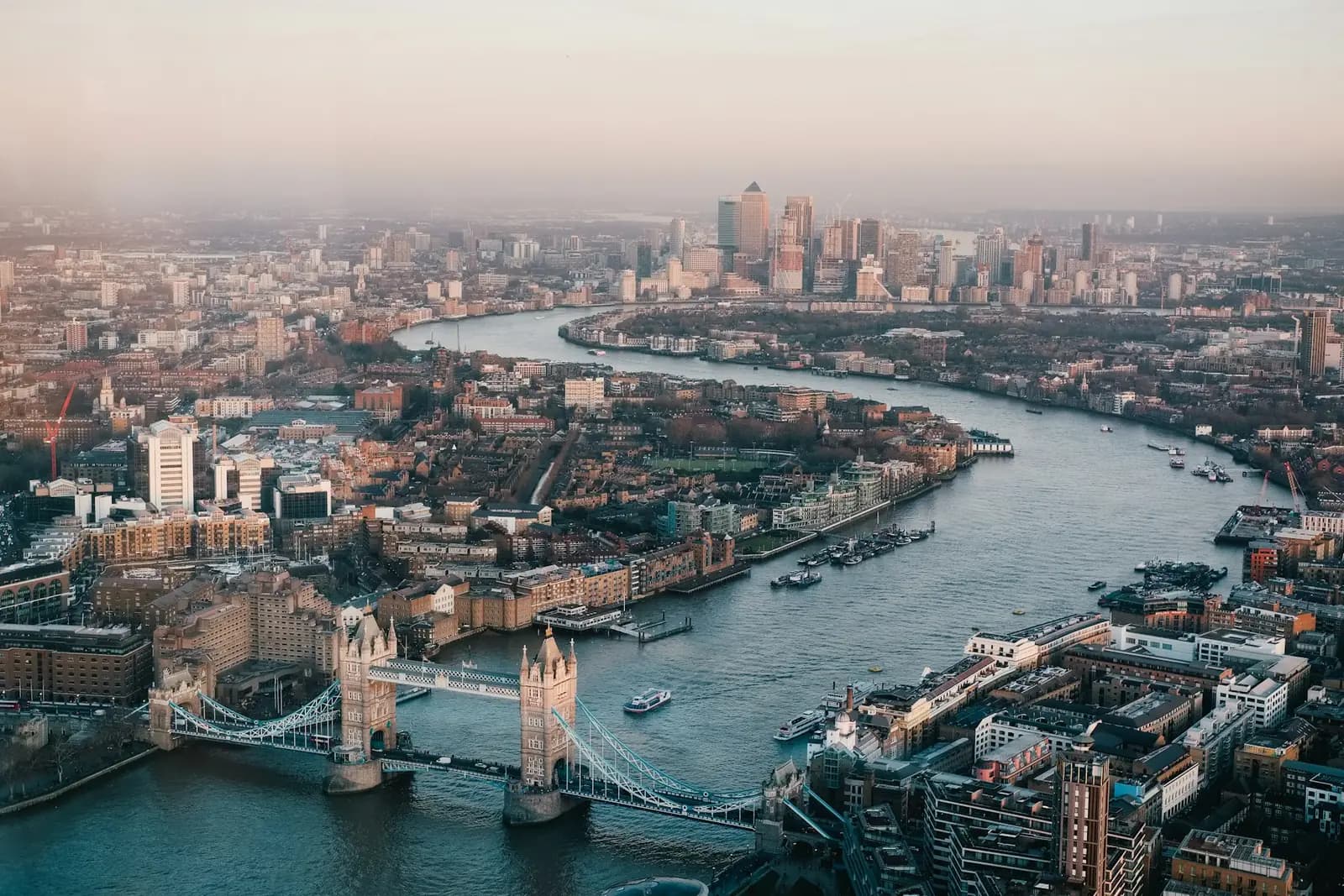
| United Kingdom | ₹25–50 lakh / year | Business, law, humanities, one-year master's | IELTS; GMAT for some business schools | Most master's degrees run a single year, and the Graduate Route currently allows two years of post-study work. |
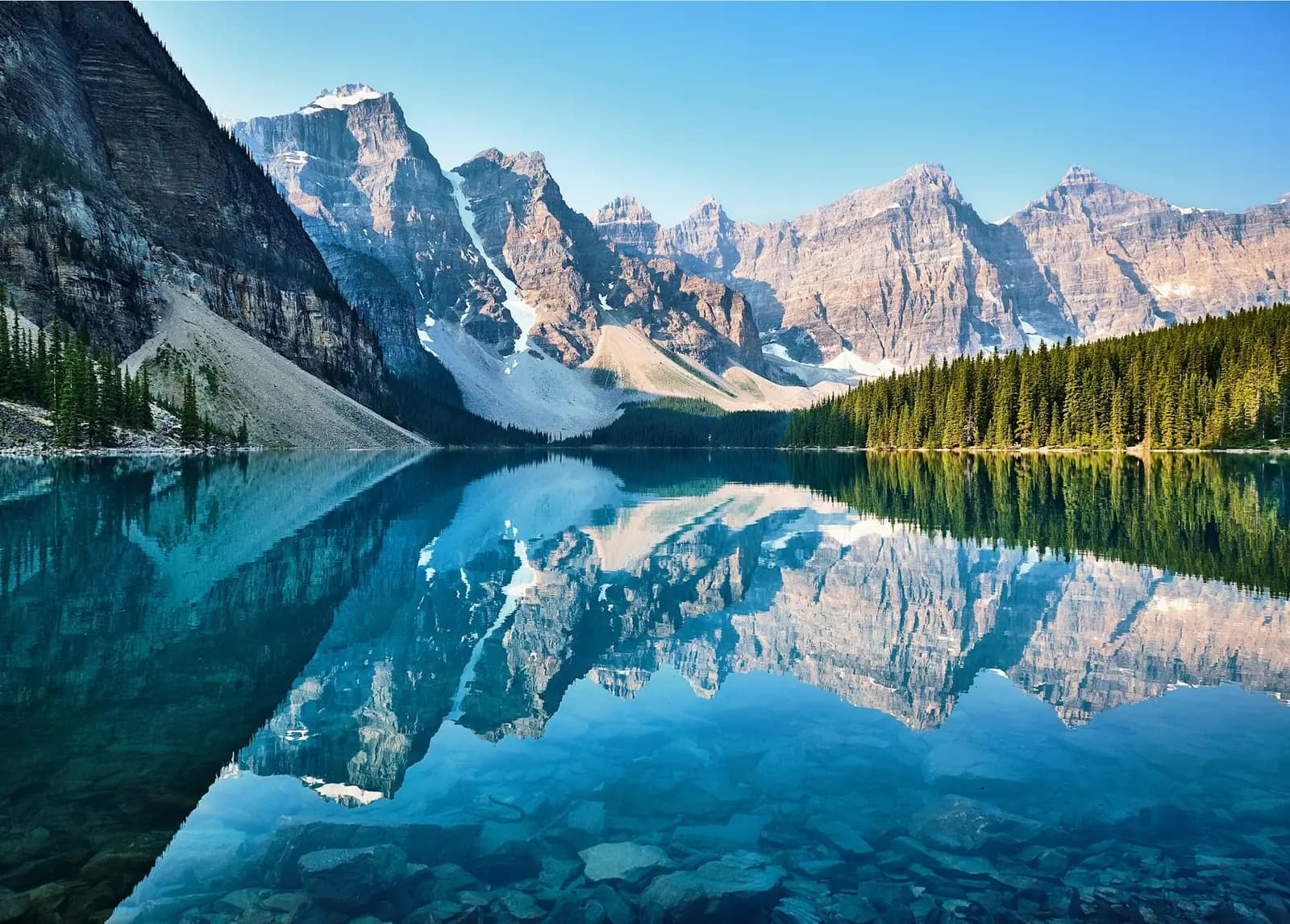
| Canada | ₹12–35 lakh / year | Engineering, IT, health sciences, business | IELTS / PTE; GRE for some programmes | Mid-band tuition with a large established Indian student community. |
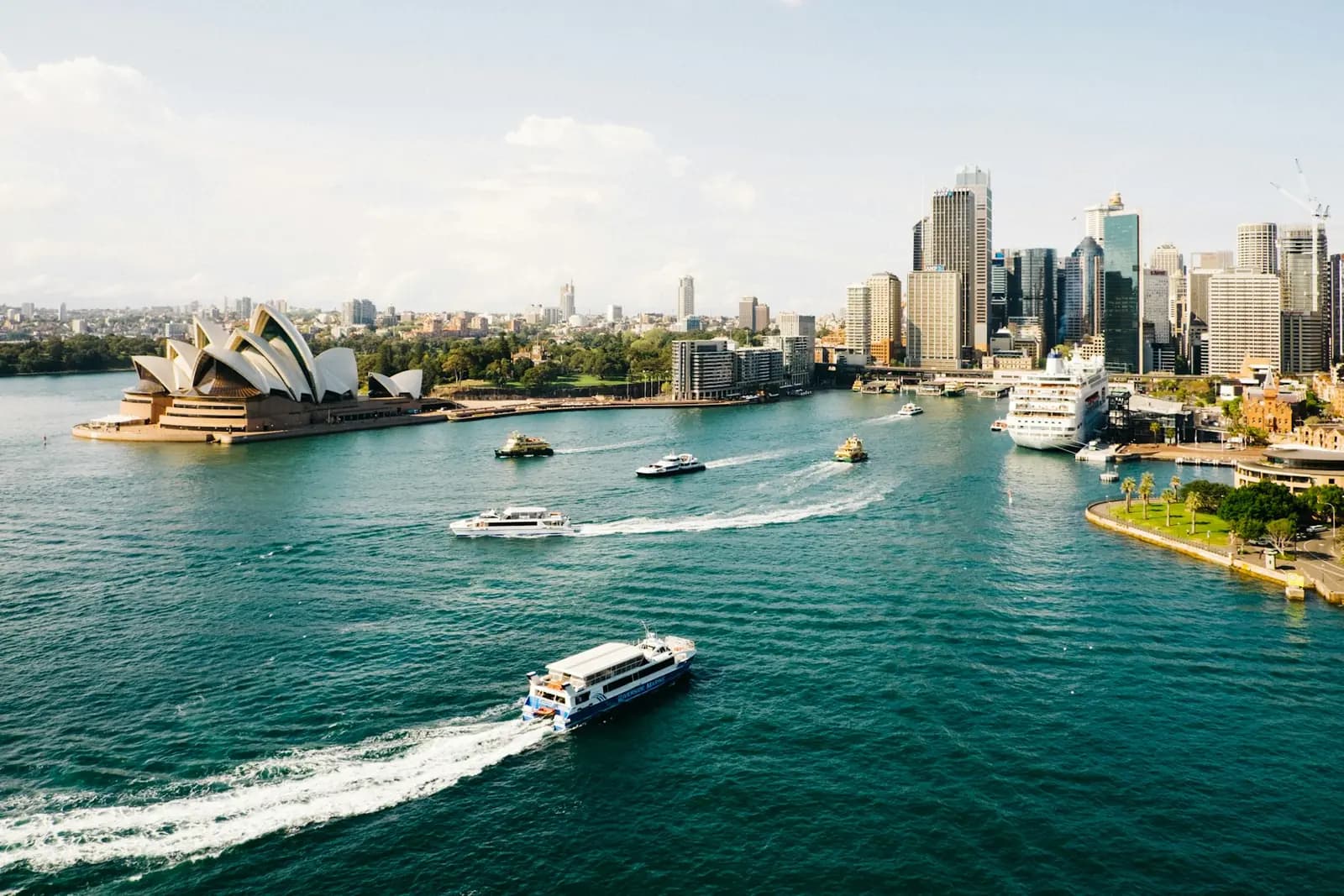
| Australia | ₹12–35 lakh / year | Business, IT, nursing, hospitality | IELTS / PTE | February and July are the main intakes, which suits students who miss a September start. |
| Germany | ₹1–3 lakh / year | Engineering, automotive, data science | IELTS / TOEFL; German for some courses | Public universities charge little or no tuition — the cost is living expenses and the blocked-account requirement. |
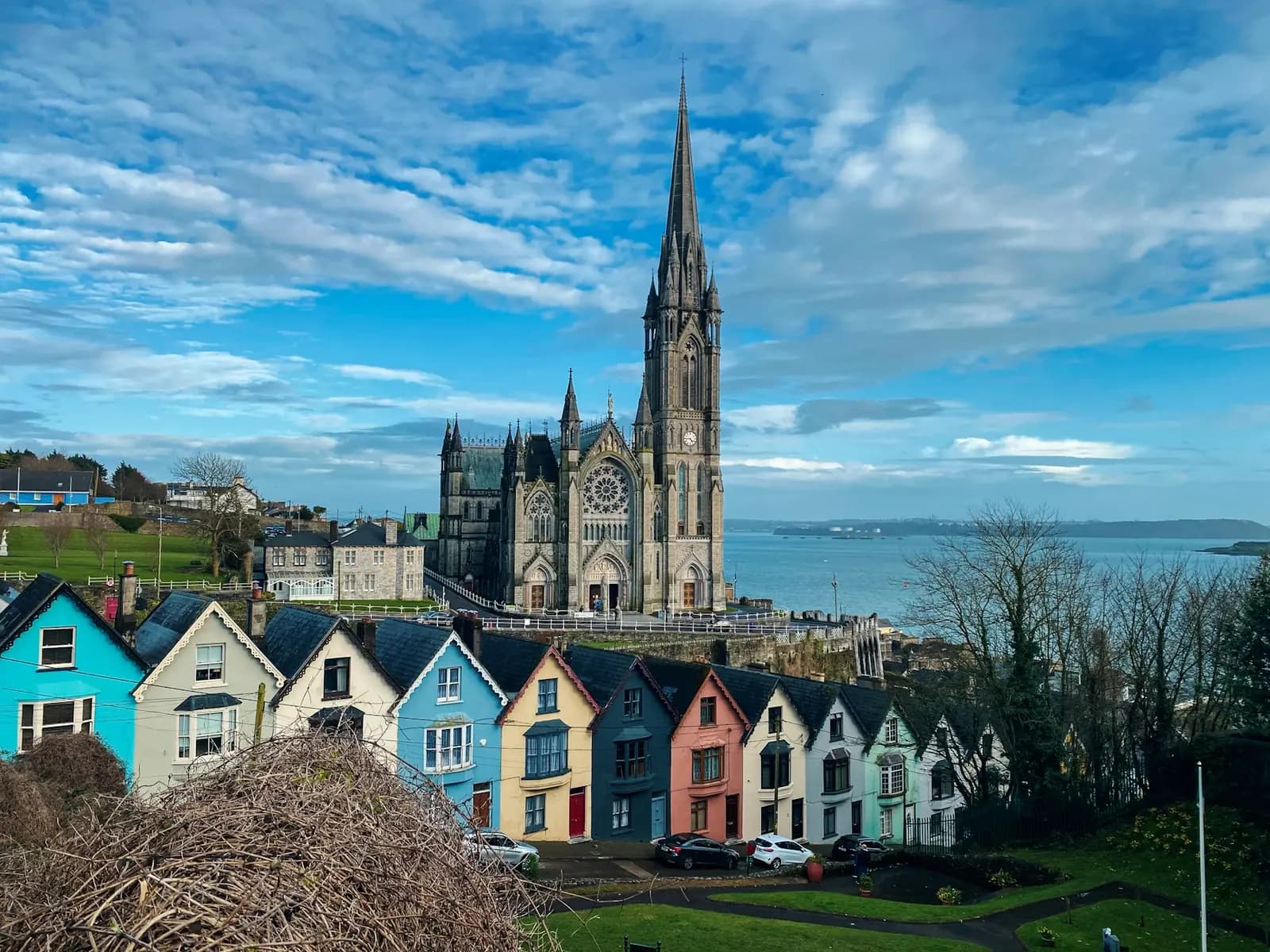
| Ireland | ₹12–35 lakh / year | Technology, pharma, business analytics | IELTS / PTE | One-year master's programmes with strong technology and pharmaceutical employer bases. |
Last reviewed: November 2026
Most MBBS-abroad disappointment comes from ignoring regulation, not from picking the wrong country. A degree that does not satisfy the National Medical Commission cannot be registered in India, however good the university looked in the brochure. Four conditions matter:
Still weighing an Indian seat against going abroad? Compare medical colleges in India and the entrance exam profiles first.
| Country | Indicative total cost |
|---|---|
| Kazakhstan | ₹15–25 lakh total |
| Russia | ₹18–40 lakh total |
| Georgia | ₹20–35 lakh total |
| Uzbekistan | ₹36–37 lakh total |
| Kyrgyzstan | around ₹39 lakh total |
| Philippines, Nepal & Bangladesh | varies by university |
Last reviewed: November 2026
IELTS, TOEFL, PTE, Duolingo English Test
Required by universities in the US, UK, Canada, Australia and Ireland. One test usually covers every application in that country.
GRE, GMAT
GRE for most US graduate programmes — though many have made it optional — and GMAT for business schools. The GRE costs roughly ₹22,550.
SAT
Asked for by many US and some international undergraduate programmes. Check each university, as test-optional policies are now common.
NEET UG
Mandatory for any Indian student joining an MBBS programme abroad. The score stays valid for three years.
The larger intake, with the widest course choice and the most scholarship funding. Right for you if entrance tests are done and your documents are ready now.
Fewer seats, but a genuine option if you still need time for final marksheets, IELTS preparation or arranging finances. Better than rushing a weak Fall application.
Australia runs on February and July intakes instead, which suits students who miss a September start.
Marks, test scores and a realistic annual budget, before any country is suggested.
Where your profile and finances actually convert into an offer.
Test booking, SOP, LORs, transcripts and financial paperwork on a dated plan.
Filing to deadline, tracking responses, comparing offers and scholarships.
Visa file, funds documentation, interview preparation and pre-departure checks.
Yes. The National Medical Commission requires Indian students to qualify NEET UG before joining an MBBS programme at any foreign medical university. The qualification stays valid for three years. Without it you cannot sit the FMGE or NExT afterwards, which means the degree will not let you register or practise medicine in India.
Total programme cost typically falls between ₹15 lakh and ₹45 lakh depending on the country and university. Kazakhstan sits at the lower end at roughly ₹15–25 lakh, Russia spans ₹18–40 lakh, Georgia ₹20–35 lakh, and Uzbekistan and Kyrgyzstan sit near ₹36–39 lakh all-inclusive. Compare total cost including hostel and food, not tuition alone.
For most English-speaking destinations you need an English proficiency test — IELTS, TOEFL, PTE or Duolingo. Master's applicants often add the GRE, or the GMAT for business schools. Undergraduate applicants may need the SAT. MBBS abroad requires NEET UG. Which combination applies depends entirely on your country and level of study.
Annual costs vary widely by country. Germany can be ₹1–3 lakh a year because public universities charge little or no tuition, Canada and Australia typically run ₹12–35 lakh, and the US and UK range from ₹25–50 lakh. Budget separately for application fees, visa costs and living expenses.
Apply for the September 2026 intake if your entrance tests are done and documents are ready. Choose January 2027 if you still need time for marksheets, IELTS preparation or arranging finances. Applying to the wrong intake in a rush usually costs more than waiting one cycle.
No. Profile evaluation, country and university shortlisting, and deadline planning are free for students and parents. We are compensated by partner institutions, so our guidance never carries a fee for you.
Profile evaluation, country and university shortlisting, and deadline planning are free for students and parents. Share your details and a counsellor will plan the first three steps with you.
Share a few details and a counsellor will contact you with college matches.
Share your marks, test scores and budget. You will get a country and university shortlist that matches all three — at no cost.